
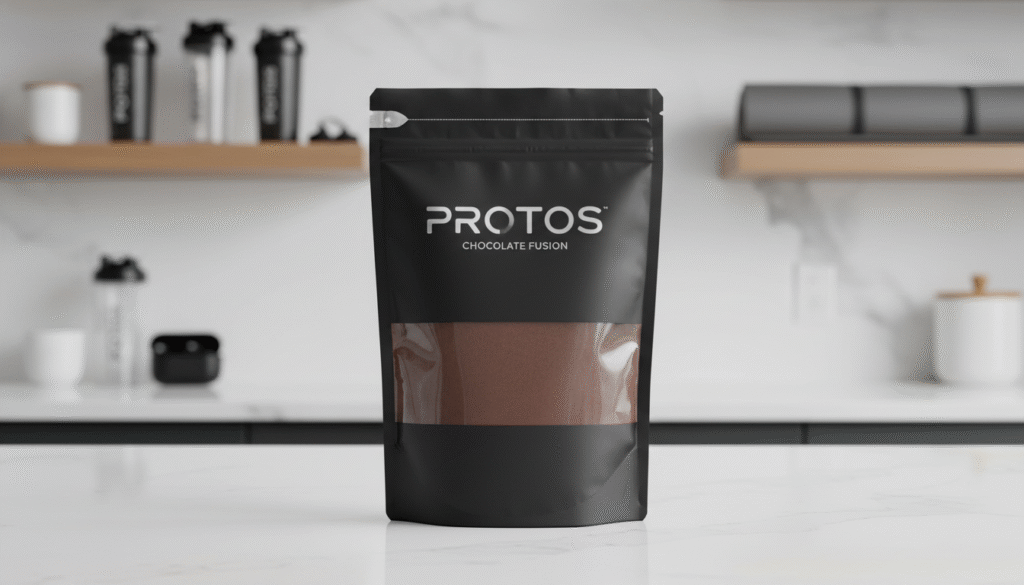
Have you ever wondered how a simple package can transform the entire consumer experience of protein supplements? In the competitive world of sports nutrition, Wintech Package protein powder packing has become a critical strategic element that goes far beyond mere product storage.
Wintech Package leads the way in innovative supplement packaging solutions, recognizing that protein powder packing is a complex science blending design, functionality, and consumer psychology. The sports nutrition market generates approximately $15 billion in US revenues, with protein powders representing a massive $5 billion segment poised for continued growth.
Your protein powder packing strategy can make or break your product’s market success. Modern protein powder packing isn’t just about containment—it’s about creating an immersive experience that speaks directly to health-conscious consumers while maintaining product integrity and performance.
Consumer research reveals that packaging influences over 70% of purchase decisions. Your protein powder packing design must communicate quality, reliability, and brand identity in a split-second visual interaction.
Key Takeaways
- Protein powder packing is a critical marketing and functional component
- Packaging design significantly influences consumer purchasing decisions
- Innovative packaging solutions can differentiate your product
- Effective protein powder packing balances aesthetic and functional needs
- Market growth demands strategic packaging approaches
Understanding the Importance of Protein Powder Packing Design
Protein powder packing is more than just a container—it’s a critical communication tool that connects brands with health-conscious consumers. The right protein powder packing strategy can transform how customers perceive and interact with your sports nutrition products.
Wintech Package recognizes that protein powder packing goes beyond simple product protection. Every aspect of protein supplement packaging plays a strategic role in attracting and retaining customers.
The Role of Material in Protein Powder Packing
Selecting the optimal material for protein powder packing requires careful consideration. Different materials offer unique benefits:
- Moisture resistance for whey protein containers
- Lightweight options for convenient transportation
- Durability to maintain product integrity
Visual Aesthetics: Attracting Your Consumer
Your sports nutrition packaging serves as a silent marketing tool. Design elements can dramatically influence purchasing decisions by creating visual appeal that speaks directly to your target audience.
| Design Element | Consumer Impact |
|---|---|
| Color Psychology | Triggers emotional responses |
| Typography | Communicates brand personality |
| Imagery | Connects with fitness aspirations |
Functional Benefits of Effective Protein Powder Packing
Smart protein powder packing delivers practical advantages beyond aesthetics. Innovative designs can provide:
- Easy-pour mechanisms
- Resealable closures
- Portion-control features
The right packaging transforms a simple product into an experience that resonates with your fitness-focused customers.
Key Features of Efficient Protein Powder Packing
Protein powder packing is a critical component in maintaining product quality and consumer satisfaction. The right packaging solution protects your valuable nutritional supplement from environmental factors while ensuring maximum freshness and usability.
Wintech Package offers innovative solutions that address the complex challenges of protein powder containers. The following key features define top-tier protein powder packing strategies:
Barrier Properties: Protecting Your Nutritional Investment
Effective protein powder bags must shield your product from three primary degradation factors:
- Moisture contamination
- Oxygen exposure
- Light degradation
Advanced bulk protein powder packaging utilizes multi-layer barrier technologies that prevent nutrient breakdown and maintain product integrity.
Sustainability: Eco-Friendly Packaging Solutions
Modern protein powder containers increasingly focus on environmental responsibility. Consumers now demand packaging that balances protection with reduced ecological impact.
| Packaging Type | Sustainability Rating | Recyclability |
|---|---|---|
| Biodegradable Pouches | High | 100% |
| Recyclable Plastic Containers | Medium | 75% |
| Traditional Packaging | Low | 25% |
User Convenience: Designing for Consumer Experience
Your protein powder packing should prioritize user-friendly features such as:
- Resealable mechanisms
- Clear measurement markings
- Easy-pour spouts
- Compact storage designs
Innovative protein powder bags now incorporate smart design elements that enhance overall user experience and product accessibility.
The Influence of Branding on Protein Powder Packing
Protein powder packing is more than just a container – it’s a powerful marketing tool that communicates your brand’s essence. Strategic packaging design transforms supplement packaging solutions from mere functional items into compelling brand experiences that capture consumer attention and build lasting connections.
Your custom protein packaging serves as a silent ambassador, communicating your brand’s values and personality before a customer even opens the product. The right packaging can significantly impact purchase decisions and brand perception.
Creating Brand Identity Through Protein Powder Packing
Successful protein powder packing goes beyond visual aesthetics. It involves crafting a unique narrative that resonates with your target audience. Consider these key elements:
- Consistent color palette reflecting brand personality
- Distinctive logo placement
- Innovative packaging shapes
- Clear product information
The Psychological Impact of Color in Protein Powder Packing
Color plays a crucial role in custom protein packaging. Different hues trigger specific emotional responses that can influence consumer behavior:
| Color | Psychological Impact | Target Audience |
|---|---|---|
| Blue | Trust and Reliability | Professional Athletes |
| Green | Natural and Healthy | Wellness Enthusiasts |
| Red | Energy and Passion | High-Intensity Trainers |
By understanding these psychological triggers, brands can create supplement packaging solutions that not only look attractive but also connect emotionally with their target consumers.
Future Trends in Protein Powder Packing
The protein powder packing landscape is rapidly evolving, driven by technological advancements and changing consumer expectations. Brands in sports nutrition packaging are reimagining how they design and deliver protein products to meet the dynamic needs of modern consumers.
Innovation in custom protein packaging is pushing boundaries with smart technologies and sustainable materials. Emerging design approaches now integrate digital elements like QR codes that provide product traceability and enhanced consumer engagement. These developments transform protein powder packing from simple containers to interactive brand experiences.
Innovations in Protein Powder Packing Materials
Cutting-edge protein powder packing materials are revolutionizing the industry. Biodegradable solutions derived from plant-based sources are gaining significant traction, addressing environmental concerns while maintaining product integrity. Your brand can leverage these advanced materials to demonstrate commitment to sustainability in sports nutrition packaging.
Eco-Friendly Approaches to Protein Powder Packing
Sustainability has become a critical driver in custom protein packaging design. Generation Z consumers demand environmentally responsible solutions that minimize ecological impact. By adopting recyclable and compostable packaging materials, you can appeal to environmentally conscious athletes and fitness enthusiasts.
Consumer Feedback and Its Influence on Protein Powder Packing
Direct consumer insights are now shaping protein powder packing strategies. Social media platforms and digital feedback channels enable brands to rapidly iterate packaging designs. This consumer-driven approach ensures that your sports nutrition packaging remains responsive to emerging market preferences and user expectations.